


Optimizing Aesthetic Harmony: Size and Space Considerations in Home Decor
Nov 24, 2023
Leave a message
One of the cardinal rules in home decor is understanding the proportions of the room. A common mistake is selecting decor items that are either too large or too small for the available space. Oversized furniture in a small room can make it feel cramped, while petite decor pieces may get lost in the expanses of a larger space. The goal is to find that sweet spot where each element harmonizes with the dimensions of the room, creating a cohesive and visually pleasing atmosphere.

Consider the function of the space when determining the size of your decor elements. In a living room, the size of the sofa, coffee table, and artwork should be in sync with the room's purpose—whether it's a cozy haven for relaxation or a vibrant hub for socializing. Bedrooms, on the other hand, may benefit from a balance of functional furniture and open space to create a calming retreat.
Scale plays a pivotal role in achieving a sense of equilibrium. A large wall adorned with a tiny piece of art may feel disproportionate, just as a small wall overwhelmed by an enormous mural may seem unbalanced. Assess the scale of the room, the height of the ceilings, and the placement of windows to guide your decisions on the size of wall decor. Grouping smaller pieces strategically or investing in a larger centerpiece can help maintain visual equilibrium.
In open-concept spaces, where different functional areas seamlessly flow into one another, maintaining a cohesive aesthetic is paramount. Consistency in the size and style of decor elements can create a unified look, preventing the space from feeling disjointed. Cohesive color palettes and coordinating sizes of furniture and accessories contribute to the seamless transition from one area to the next.
Size and space considerations extend beyond furniture and wall decor to encompass lighting as well. The right lighting can transform the perceived size of a room. Pendant lights or chandeliers with adjustable heights can visually lower high ceilings, creating a more intimate ambiance. Similarly, well-placed mirrors can amplify natural light, giving the illusion of a larger, airier space.
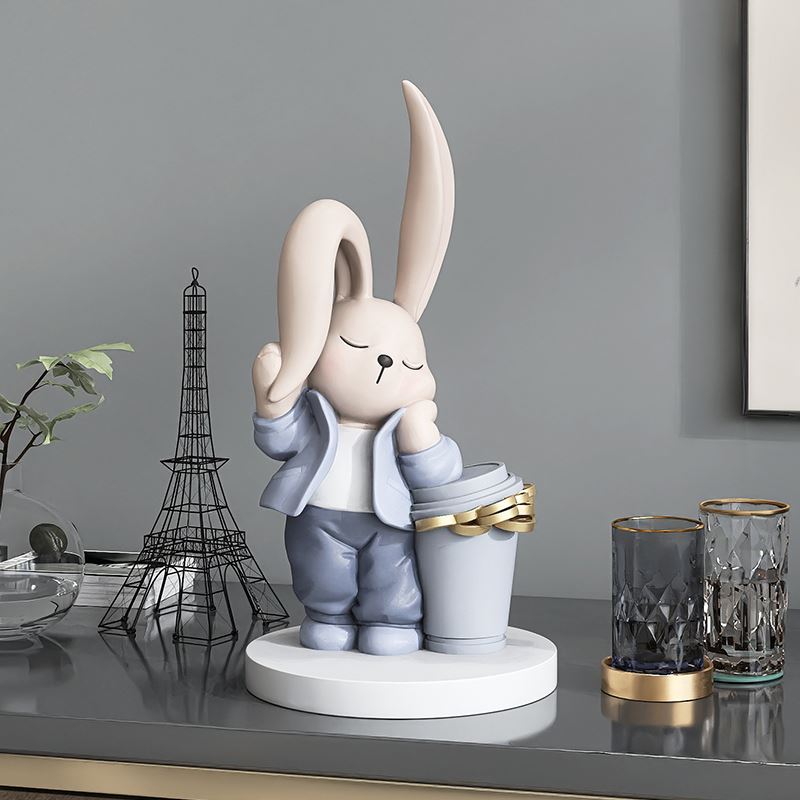
When it comes to smaller decorative items, such as vases, sculptures, or figurines, the principle of "less is more" often applies. Selecting a few well-chosen, appropriately sized pieces can add character without overwhelming the room. Pay attention to the negative space—the areas between and around objects—as it plays a crucial role in creating a sense of balance and preventing visual clutter.

In conclusion, the art of home decor involves a mindful dance with size and space considerations. By understanding the proportions of each room, considering the scale of furniture and decor elements, and maintaining a cohesive aesthetic, you can transform your living spaces into harmonious havens that reflect your personal style while maximizing both visual appeal and functionality.